
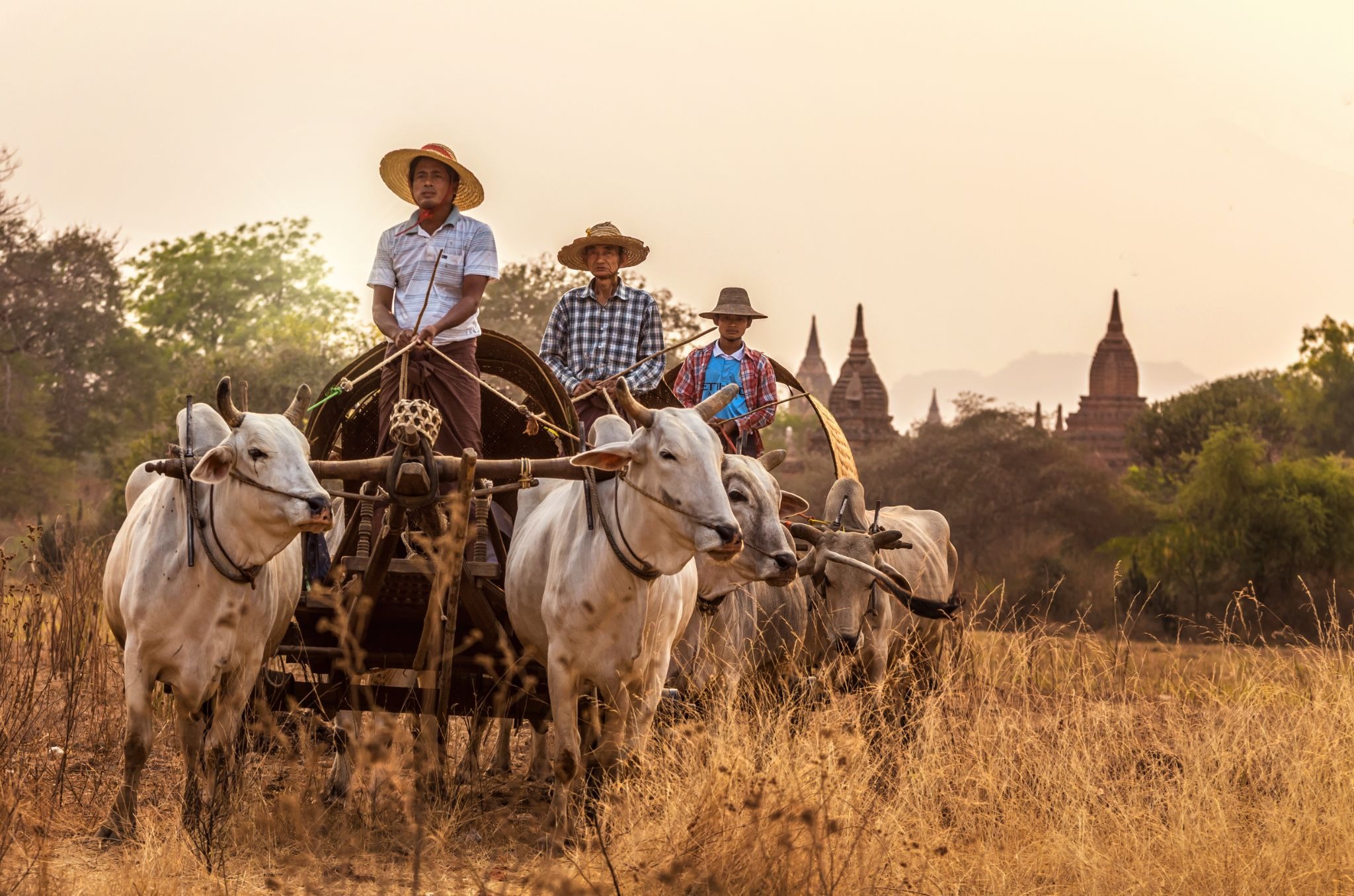
In our increasingly interconnected world, cultural travel has emerged as a profound way to explore the richness of human experience. It transcends the typical tourist experience, allowing travelers to delve into the heart of local cultures and traditions. This form of travel is not just about visiting new places; it’s about engaging with the people, understanding their customs, and appreciating the unique tapestry of life that each culture offers. Embracing authentic traditions during your travels can lead to unforgettable memories and deeper connections with the world around you.
What Are Cultural Travel Experiences?
Defining Cultural Travel
Cultural travel is a journey that focuses on understanding and experiencing the cultural aspects of a destination. Unlike traditional tourism, which may emphasize sightseeing and leisure, cultural travel seeks to immerse travelers in the local way of life. This can include participating in festivals, learning local crafts, and tasting traditional foods. The goal is to foster a genuine connection with the culture and its people, enriching your travel experience.
The Benefits of Cultural Travel
Engaging in cultural travel experiences offers numerous benefits. Firstly, it promotes personal growth through exposure to diverse perspectives and lifestyles. Travelers often return home with new insights and a broader worldview. Furthermore, cultural travel builds connections with local communities. These interactions can lead to friendships, shared stories, and a deeper appreciation for the intricacies of life in different parts of the world.
How to Engage with Authentic Traditions
Researching Local Cultures Before You Go
Before embarking on your journey, it is essential to research the local culture. Understanding the customs, traditions, and social norms of your destination can enhance your experience and help you navigate potential cultural sensitivities. Resources such as travel blogs, documentaries, and local tourism websites can provide valuable insights into the cultural landscape. Engaging with community forums or social media groups can also offer firsthand accounts and tips from fellow travelers.
Choosing the Right Cultural Tours
Selecting the appropriate cultural tours is crucial for an authentic experience. Look for tours led by local guides who are passionate about their culture and can provide meaningful insights. Reputable tour operators often emphasize responsible tourism practices and prioritize community engagement. Reading reviews and seeking recommendations can help you find tours that align with your values and interests.
Immersive Cultural Experiences Around the World
Festivals and Celebrations
Participating in local festivals is one of the most vibrant ways to experience a culture. Events like Diwali in India, Carnival in Brazil, or the Lantern Festival in Taiwan offer unique insights into local traditions and communal values. When attending these celebrations, it is vital to approach them with respect and an open mind. Learn the significance of the event, dress appropriately, and be mindful of local customs to ensure a respectful and enriching experience.
Culinary Experiences
Food is a central element of cultural identity, and exploring local cuisines can provide a delicious insight into a destination’s traditions. Whether you are enjoying street food in Bangkok or a home-cooked meal in Tuscany, every dish tells a story. Engage with local chefs, join cooking classes, and visit markets to learn about ingredients and preparation methods. This hands-on approach not only satisfies your taste buds but also deepens your understanding of the culture.
Traditional Arts and Crafts
Engaging with traditional arts and crafts allows travelers to appreciate the skill and creativity of local artisans. Participating in workshops can provide valuable insights into cultural heritage. Whether it’s pottery in Mexico, weaving in Bhutan, or calligraphy in Japan, these experiences connect you with the cultural narratives of the community. By learning directly from artisans, you not only acquire new skills but also contribute to the preservation of these traditions.
Overcoming Challenges in Cultural Travel
Cultural Sensitivity and Respect
Cultural sensitivity is crucial when traveling. Understanding and respecting local customs and etiquette can significantly enhance your interactions with locals. Research common practices, such as greetings, dining etiquette, and dress codes, to avoid unintentional faux pas. Simple gestures, like learning a few words in the local language or asking for permission before taking photographs, can demonstrate respect and openness.
Navigating Language Barriers
Language can be a significant barrier in cultural travel, but there are several strategies to overcome this challenge. Using translation apps can facilitate communication, enabling you to engage more meaningfully with locals. Learning basic phrases in the local language can also go a long way in fostering goodwill. When language differences arise, patience and a friendly demeanor can bridge the gap, allowing for genuine connections.
Sustainable Cultural Travel Practices
Supporting Local Economies
Sustainable cultural travel practices emphasize the importance of supporting local economies. By choosing locally-owned accommodations, restaurants, and shops, travelers can ensure that their spending benefits the community. Seek out experiences that promote local artisans and small businesses, which helps preserve cultural traditions and practices while providing economic support.
Leaving a Positive Impact
Being a responsible traveler means minimizing your environmental footprint while maximizing your positive impact on the community. Engage in community service or volunteer opportunities during your travels to give back to the places you visit. Participating in local conservation efforts or educational programs can enhance your travel experience and contribute to the well-being of the community.
Conclusion
Cultural travel experiences offer a unique opportunity to connect with the world in meaningful ways. By immersing yourself in authentic traditions, you not only enrich your travels but also foster understanding and appreciation for diverse cultures. Embrace the journey of cultural exploration, and let it transform your perspective on the world. As you embark on your next adventure, remember that every experience is a chance to learn, grow, and connect with the rich tapestry of human life.
FAQs
What are some examples of cultural travel experiences?
Cultural travel experiences can include participating in local festivals, taking cooking classes, visiting artisan workshops, or exploring historical sites that reflect the culture’s heritage.
How can I find authentic cultural tours?
Research online for reputable tour operators that focus on cultural immersion. Reading reviews and seeking recommendations from other travelers can help you identify authentic experiences.
What should I know about cultural etiquette when traveling?
It’s important to research local customs, greetings, and dining etiquette to ensure respectful interactions. Understanding cultural norms can enhance your experience and foster goodwill with locals.
How can I ensure my travel is culturally respectful?
Engage in research before traveling, choose responsible tour operators, communicate respectfully with locals, and support local businesses to ensure that your travel practices are respectful and beneficial to the community.