
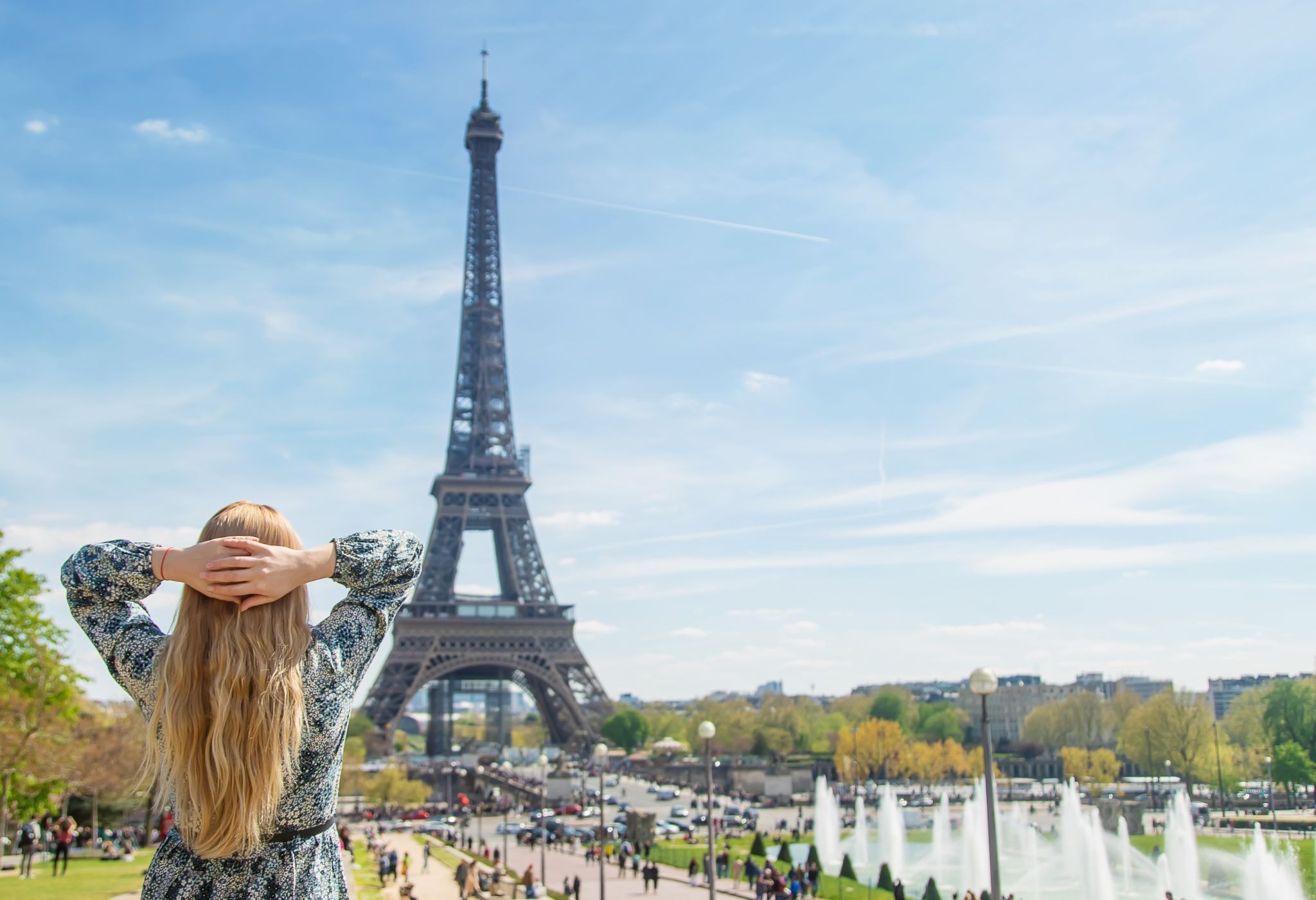
Europe is often seen through postcards. Famous landmarks, iconic cities, and historic monuments dominate travel plans. Yet the true essence of Europe lies far beyond these familiar images. It lives in everyday rituals, local traditions, and moments that cannot be staged.
Cultural experiences in Europe are not just about what you see. They are about what you feel, taste, hear, and understand. They are the quiet conversations in small cafés, the rhythm of traditional music, and the warmth of community gatherings.
Travelers who seek authenticity are not satisfied with surface-level tourism. They want to step into the life of a place. They want to experience culture as it is lived, not just displayed.
Understanding What Makes a Cultural Experience Authentic
Authenticity in travel is often misunderstood. It is not about avoiding popular places entirely. It is about engaging with them in a meaningful way.
An authentic experience connects you to people, traditions, and history. It allows you to participate rather than observe. It feels natural, not staged for tourists.
In Europe, authenticity often comes from small details. A family-run restaurant, a local festival, or a centuries-old craft can reveal more about a culture than any major attraction.
The key is intention. When you approach travel with curiosity and respect, even simple moments become deeply meaningful.
Immersing Yourself in Local Food Traditions
Neapolitan pizza in Naples
Food is one of the most direct ways to experience culture. In Naples, pizza is not just a dish. It is a tradition passed down through generations. Watching it being made in a wood-fired oven connects you to the city’s identity.
Eating in a small, local pizzeria offers more than flavor. It offers history, pride, and community.
Tapas culture in Seville
In Seville, tapas are about sharing. They bring people together around a table, creating a social experience rather than just a meal.
Moving from one bar to another, tasting different dishes, and engaging with locals creates a sense of belonging that goes beyond tourism.
Experiencing Traditional Festivals and Celebrations
Oktoberfest in Munich
Festivals reveal the heart of a culture. Oktoberfest is more than beer. It is music, tradition, and community spirit.
Wearing traditional clothing, joining communal tables, and participating in local customs transforms the experience into something unforgettable.
La Tomatina in Buñol
La Tomatina is chaotic, playful, and unique. It reflects a side of Spanish culture that embraces joy and spontaneity.
Participating in such a festival allows travelers to step into a shared experience that feels raw and real.
Discovering Artisan Crafts and Local Skills
Handmade traditions in Florence
Florence is known for its craftsmanship. Visiting small workshops reveals the dedication behind handmade goods.
Watching artisans at work creates a deeper appreciation for skill and tradition. It connects you to a history that continues to live in the present.
Living Like a Local in European Villages
Quiet life in Provence
Staying in a small village changes your perspective. Life moves slower. Conversations are longer. The focus shifts from sightseeing to living.
In Provence, local markets, morning walks, and simple meals create an experience that feels genuine and grounded.
Music, Dance, and Cultural Expression
Flamenco in Granada
Flamenco is not just a performance. It is emotion expressed through movement and music.
Watching it in an intimate setting in Granada allows you to feel its intensity. It tells stories of passion, struggle, and identity.
Exploring Historical Depth Through Everyday Spaces
Walking through Colosseum surroundings
History in Europe is not confined to museums. It exists in daily life. Walking near the Colosseum, you see how ancient history blends with modern routines.
This coexistence creates a unique cultural experience where the past feels present.
Slow Travel: The Secret to Authentic Experiences
Taking time to connect
Authenticity cannot be rushed. Slow travel allows you to build connections and understand a place beyond its surface.
Choosing depth over quantity
Visiting fewer places but spending more time in each leads to richer experiences. It allows you to notice details that others miss.
Expert Insight: How to Truly Experience Culture
Experienced travelers often emphasize one key idea. Authenticity comes from participation. Watching is not enough. Engaging is essential.
Learning a few local phrases, respecting customs, and showing genuine interest can open doors to meaningful interactions.
Experts also suggest stepping outside comfort zones. Trying unfamiliar foods, attending local events, or exploring less popular areas can lead to unforgettable moments.
Another important point is respect. Culture is not a performance. It is a way of life. Approaching it with humility creates deeper connections.
Common Mistakes That Limit Cultural Experiences
Many travelers rely too heavily on tourist hotspots. While these places have value, they often present a curated version of culture.
Another mistake is over-planning. A rigid itinerary leaves little room for spontaneous experiences, which are often the most authentic.
Language barriers can also create distance. Even small efforts to communicate can make a significant difference.
Finally, rushing through destinations prevents meaningful engagement. Authentic experiences require time and presence.
Balancing Popular Attractions with Hidden Gems
It is possible to enjoy both famous landmarks and authentic experiences. The key is balance.
Visiting iconic sites provides context and understanding. Exploring local neighborhoods adds depth and connection.
Combining both creates a more complete travel experience. It allows you to see Europe from multiple perspectives.
The Emotional Impact of Cultural Travel
Authentic cultural experiences leave a lasting impression. They change how you see the world.
Moments of connection, whether through food, music, or conversation, create memories that go beyond photos.
These experiences often lead to a deeper appreciation of diversity and a stronger sense of empathy. They remind you that culture is not just something to observe, but something to feel.
Conclusion: Travel That Stays With You
Cultural experiences in Europe are not about checking boxes. They are about creating connections.
When you move beyond surface-level tourism, you discover a richer, more meaningful side of travel. You see how people live, celebrate, and express themselves.
The most authentic experiences are often the simplest. A shared meal, a local festival, or a quiet moment in a village can reveal more than any guidebook.
In the end, the true beauty of Europe lies not just in its places, but in its people and traditions.
FAQs
What are the best ways to find authentic cultural experiences in Europe?
Engaging with locals, exploring smaller towns, and participating in traditional activities are some of the best ways. Avoiding overly touristy areas and staying longer in one place also helps create more genuine experiences.
Are cultural tours better than independent travel?
Both have advantages. Cultural tours provide structured insights, while independent travel allows for flexibility and spontaneity. Combining both can offer a balanced and enriching experience.
How can I respect local cultures while traveling?
Learning basic customs, being mindful of behavior, and showing genuine interest in traditions are key. Respect and openness help build meaningful connections and enhance your overall travel experience.