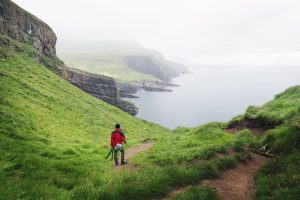
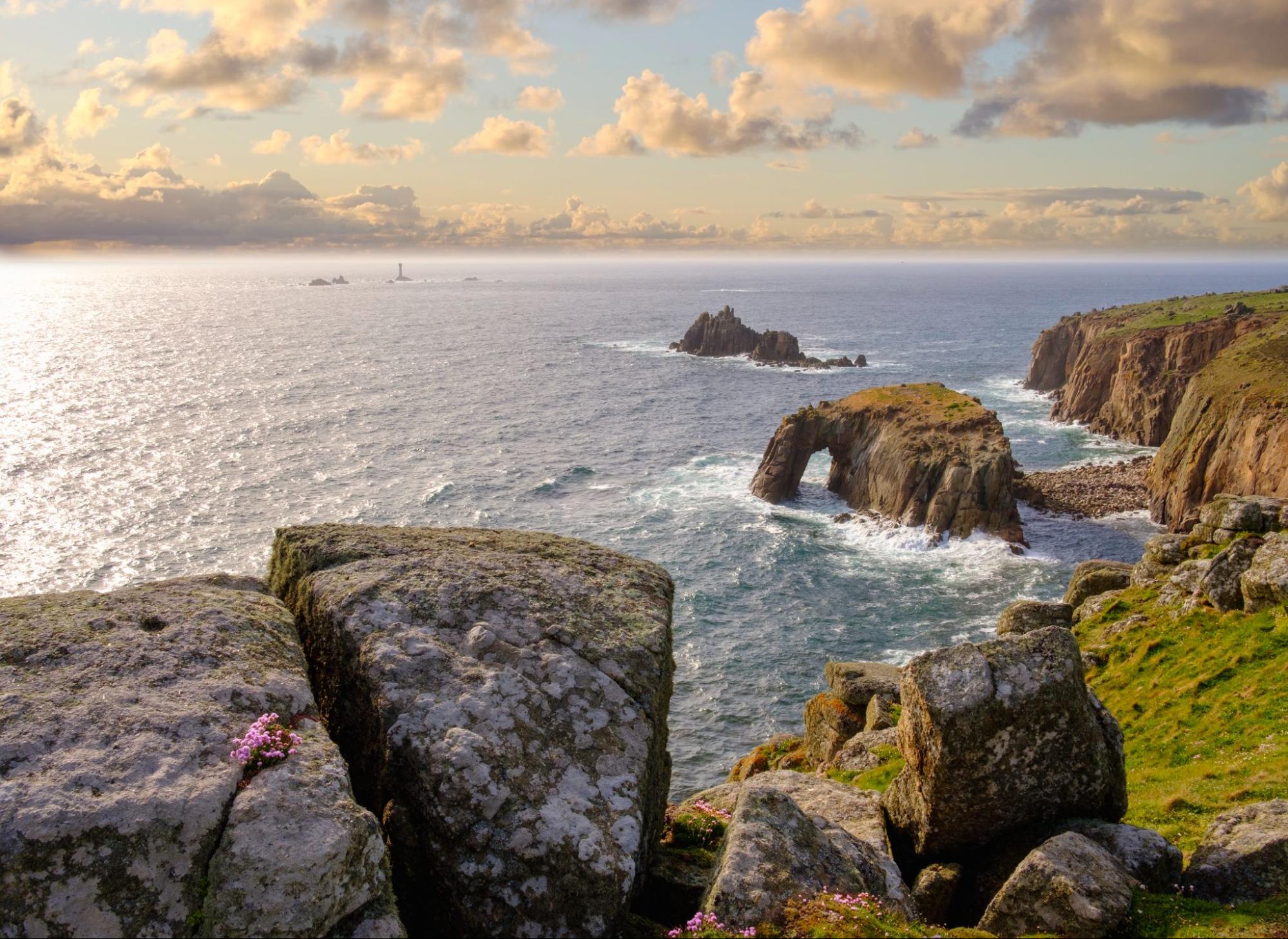
There is a particular quality to southern Ireland that is almost impossible to fully prepare for. You read about it. You see photographs. You think you understand what you are heading toward. And then you actually arrive, and the scale of it, the greenness of it, the way the light falls differently here than anywhere else you have ever been, undoes every expectation you brought with you. Southern Ireland is not a destination that performs for tourists. It simply exists, magnificently and unapologetically, in the way it always has. The ancient stone walls climbing impossible hillsides. The pubs where the music starts without announcement and the conversation never really stops. The coastline that seems designed to make you feel simultaneously very small and very alive. Building the right southern Ireland itinerary is not about ticking off landmarks. It is about giving yourself enough time and the right sequence of places to let the country actually reach you. This guide lays out the places that belong in any serious southern Ireland journey, with the depth and context to help you understand not just where to go but why each place matters and what you will carry home from it.
Starting Your Southern Ireland Itinerary in Cork
Cork is the right place to begin a southern Ireland itinerary for reasons that go beyond pure geography. It is Ireland’s second city, but it wears that status with a comfortable confidence rather than a metropolitan urgency that would feel wrong for this part of the country. Cork is genuinely livable in a way that immediately communicates something essential about southern Irish culture. The pace is human. The food culture is serious without being pretentious. The people are warm in the specific way of people who have nothing to prove.
The English Market is the first place any visitor should go, not as a tourist obligation but as a genuine orientation into the food culture that defines Cork’s identity. This covered Victorian market has been operating continuously since 1788 and remains an active, working market where locals shop alongside visitors. The quality of the produce, the charcuterie, the seafood, the artisan cheeses, and the prepared foods tells you immediately that you are in a part of the world that takes eating seriously. Spending an hour here, talking to the vendors, tasting what is offered, and eating at the Market Lane restaurant upstairs sets a tone for the entire journey that serves you well.
Cork city itself rewards slower exploration. The Crawford Municipal Art Gallery houses an exceptional collection that includes works by Irish artists that you will not encounter in the same depth anywhere else, and its cafe is one of the most pleasant places in the city to pause and absorb what you have seen. The neighborhoods of Douglas and Shandon offer authentic glimpses of Cork life beyond the tourist-facing city center. The Shandon Bells, hung in the steeple of St. Anne’s Church, can be played by visitors, which sounds gimmicky until you are actually standing there with the view of the city below you and the weight of centuries in the bells you are ringing.
Day Trips From Cork That Deserve More Than a Day
Blarney Castle sits eight kilometers from Cork city center and is one of the most visited sites in Ireland, which has unfortunately given it a somewhat cheapened reputation among travelers who consider themselves above the tourist trail. Ignore that reputation. The castle itself, set within extensive and genuinely beautiful grounds, is a magnificent medieval structure with a history that stretches back to the twelfth century. Yes, you can kiss the Blarney Stone for the gift of eloquence that legend promises. Whether you do or not, the grounds alone, including the Rock Close with its ancient druidic associations and the Poison Garden with its carefully labeled toxic plants, are worth the visit. Go early in the morning before the tour groups arrive and you will have a completely different experience.
Cobh, pronounced Cove, is twenty minutes from Cork by train and carries a weight of history that makes it one of the most emotionally complex stops on any southern Ireland itinerary. This was the last port of call for the Titanic before its fatal transatlantic crossing. It was the departure point for millions of Irish emigrants during the famine years and beyond, a harbor associated with the most painful chapter in modern Irish history. The Cobh Heritage Centre tells these stories with honesty and depth, and the town itself, with its pastel-painted houses climbing the hillside above the harbor, is strikingly beautiful in a way that feels almost in tension with the heaviness of what happened here. That tension is worth sitting with.
The Dramatic Beauty of West Cork
West Cork deserves far more time than most itineraries give it. Travelers often pass through it quickly on their way to Kerry, treating it as a transitional zone between Cork city and the more famous landscapes to the west. This is a genuine mistake. West Cork has its own distinct character, its own extraordinary landscape, and some of the finest food in Ireland.
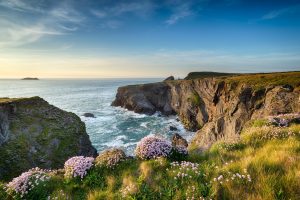
The Mizen Peninsula is one of the most southerly points in Ireland and one of the least crowded significant landscapes on the island. The drive along the R591 from Skibbereen to Mizen Head passes through a sequence of views that keep shifting between intimate farmland, dramatic coastal headlands, and tiny fishing villages where time seems to have decelerated to something approaching the speed of the Atlantic tide. The Mizen Head Signal Station at the tip of the peninsula perches above sea cliffs that the ocean attacks with visible ferocity, and the suspension bridge crossing to the signal station gives you a physical sensation of exposure to the elements that photographs simply cannot replicate.
Skibbereen itself is a town that rewards slow time. Its Saturday market is one of the best in Munster for local producers, and the Skibbereen Heritage Centre’s exhibition on the Great Famine is among the most thoughtful and affecting treatments of that subject anywhere in Ireland. Baltimore, a short drive from Skibbereen, is a harbor village from which ferries run to Sherkin Island and Clear Island, both offering the particular silence and scale-resetting that only genuine island visits provide.
Kerry: The Landscape That Changes You
The Ring of Kerry and What to Do Differently
The Ring of Kerry is one of the most famous driving routes in Europe, which means it is also one of the most congested during peak summer months. Understanding how to experience it differently from the tourist-bus majority is one of the most valuable things this guide can offer. The standard approach involves driving the ring clockwise with a hundred coaches doing the same thing, stopping at the same viewpoints, and spending most of your time in traffic. The better approach involves three specific adjustments that transform the experience.
Drive counterclockwise. Tour coaches are legally required to drive the ring clockwise, so going the other direction immediately separates you from the majority of the traffic. Start before nine in the morning. The light in the early morning on Kenmare Bay and the MacGillycuddy’s Reeks is genuinely different from midday light, and you will have the viewpoints largely to yourself. And take the road through Ballaghbeama Gap rather than sticking exclusively to the main ring road. This mountain pass through the heart of Kerry is one of the most dramatic drives in Ireland and is almost entirely unknown to the tourist buses that cannot navigate its narrowness.
Killarney town itself functions better as a base than as a destination, but Killarney National Park, which surrounds it, is unmissable. The park encompasses three lakes, ancient oak woodland, and the MacGillycuddy’s Reeks mountain range, and it can be explored by foot, bicycle, or jaunting car. Torc Waterfall is a fifteen-minute walk from the main car park and delivers drama that seems disproportionate to the effort required. Muckross House and its traditional farms provide context for how Kerry life was lived across different centuries. And the Gap of Dunloe, a narrow mountain pass carved by glaciers and bounded by towering rock faces, delivers the kind of scenery that makes you understand why people have been coming to Kerry since tourism was invented.
The Dingle Peninsula and Its Irreplaceable Character
The Dingle Peninsula is, by reasonable consensus among those who know Kerry well, the more extraordinary of the two great Kerry peninsulas. Where the Ring of Kerry offers scale and grandeur, Dingle offers intimacy, antiquity, and a concentration of ancient monuments that makes the landscape feel inhabited by centuries of human story.
Dingle town is small enough to walk entirely in an afternoon but rich enough in pubs, restaurants, galleries, and conversations to fill several days comfortably. The town’s pub culture is among the best in Ireland, with sessions of traditional music happening organically rather than as tourist-facing performance. Foxy John’s hardware shop famously doubles as a pub, which tells you something important about the scale and character of the place. The seafood in Dingle, and particularly the fish and chips eaten from paper in the harbor, is among the best you will eat anywhere.
The Slea Head Drive is the Dingle Peninsula’s equivalent of the Ring of Kerry, but more dramatic, less crowded, and enriched by a density of ancient monuments that makes every kilometer feel historically loaded. Beehive huts, ogham stones, ruined chapels, and promontory forts appear around successive bends, each occupying its landscape with the undemonstrative permanence of things that have simply always been there. The views across to the Blasket Islands, abandoned by their last permanent residents in 1953 after centuries of extraordinary cultural and linguistic isolation, are among the most stirring in Ireland.
Kilkenny: Medieval Ireland at Its Most Intact
Moving inland and eastward, Kilkenny represents something distinct from the coastal and mountain landscapes of Cork and Kerry. It is medieval Ireland at its most coherently preserved, a city whose built environment communicates the depth of Irish urban history in a way that no amount of reading can match.
Kilkenny Castle stands above the River Nore with the confidence of a structure that has defined its cityscape for eight centuries. The castle has been through multiple phases of reconstruction and renovation, and its current state reflects the Victorian ideals of its nineteenth-century residents as much as its medieval origins. The Long Gallery, with its painted roof, and the extensive parklands that sweep down to the river are worth extended time. But it is the walk from the castle back through the medieval mile, past St. Canice’s Cathedral with its round tower that can be climbed for extraordinary views, along lanes whose names and widths have not changed since the fourteenth century, that delivers the full impact of Kilkenny’s historical depth.
The craft culture of Kilkenny is genuinely exceptional rather than commercially manufactured. The National Craft Gallery, housed in the former stables of Kilkenny Castle, shows contemporary Irish craft at its most ambitious and technically accomplished. The Kilkenny Design Centre stocks work by Irish designers and makers that represents the serious, sustainable alternative to souvenir shopping. And the city’s independent food and drink scene, anchored by producers at the Kilkenny Farmers Market and a growing number of serious restaurants and craft breweries, reflects the same commitment to quality and provenance that characterizes the best of Cork and Kerry’s food culture.
Waterford and the Ancient East
Waterford is Ireland’s oldest city, founded by Vikings in 914, and its recently developed Viking Triangle cultural quarter has transformed the city’s ability to communicate this history to visitors. The Museum of Treasures, housed in a sequence of historic buildings in the Viking Triangle, is one of the finest museum experiences in Ireland, with the Ardagh Chalice and the Book of Lismore among the objects that justify a special journey.
The House of Waterford Crystal, where the famous crystal is still made by hand, offers factory tours that are genuinely fascinating rather than merely promotional. Watching skilled craftspeople cut, shape, and finish pieces that require years of training to produce gives you an appreciation for the object that no amount of looking at finished work in a showroom could provide. Whether or not you buy anything, the tour is worth taking as an encounter with a living craft tradition.
The Waterford Greenway, a forty-six kilometer cycling and walking trail that follows a disused railway line from Waterford city to Dungarvan, is one of the finest off-road cycling experiences in Ireland. The route passes through viaducts, tunnels, and riverside sections that would be impossible to access any other way, and the full journey between the two towns takes approximately five to six hours by bicycle at a relaxed pace. E-bikes are available for rental at multiple points along the route for those who want the experience without the physical demand.
The Rock of Cashel and Tipperary’s Sacred Landscape
The Rock of Cashel is one of the most dramatic archaeological sites in Europe, a collection of medieval ecclesiastical buildings perched atop a limestone outcrop that rises abruptly from the Tipperary plain in a way that seems almost theatrical. The complex includes a round tower, a Romanesque chapel, a Gothic cathedral, and the Hall of the Vicar’s Choral, and the scale and condition of these buildings is extraordinary given that many date from the twelfth and thirteenth centuries.
Visiting the Rock of Cashel at opening time, before the tour groups arrive in mid-morning, is one of the most powerful experiences available anywhere on a southern Ireland itinerary. The site deserves at least two hours, and the combination of walking the exterior with the views of the surrounding plain and exploring the interior spaces with their carved stonework, surviving frescoes, and centuries of atmospheric deposit produces a sustained encounter with medieval Ireland that changes your sense of how deep the country’s history goes.
Cahir Castle, thirty minutes from Cashel, is one of the largest and best-preserved medieval castles in Ireland and is significantly less visited than its quality warrants. The castle’s river island setting, its intact great hall, and its working portcullis make it one of the most complete medieval experiences in the country.
Final Thought
Southern Ireland does not give itself up quickly. It takes a little time, a little willingness to slow down, and a little patience with roads that go where they want to go rather than where efficiency would prefer them to. But what it gives in return for that patience is something that stays with you in the specific way that only places of genuine beauty and genuine character do. Long after the photographs have faded into the background of your camera roll and the specific sequence of days has blurred together, you will find yourself remembering a quality of light on a Kerry hillside, a conversation in a pub that went on longer than planned, the sound of the Atlantic working against the cliffs at Mizen Head, and the feeling of standing somewhere truly ancient in Cashel or Kilkenny and understanding, for a moment, how long people have been making their lives in this extraordinary place. Build your southern Ireland itinerary with enough time and enough slack to let those moments find you. They will.