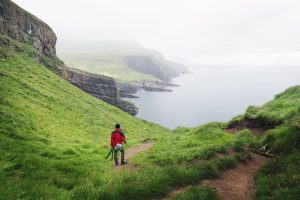

Planning an Ireland itinerary 10 days that includes Dublin and the Wild Atlantic Way requires more than listing attractions. The real challenge is balancing driving time with meaningful stops while avoiding fatigue. Ireland rewards slow travel, but most visitors underestimate how spread out key destinations are. A strong plan prioritizes flow over quantity, ensuring each region feels connected rather than rushed. Dublin acts as the cultural entry point, while the west coast delivers the scenic backbone of the journey. The goal is not to see everything, but to build a route that feels natural, efficient, and immersive from start to finish.
Core planning principles for Ireland road trips
A successful Ireland itinerary 10 days depends on understanding how geography and travel speed interact. Rural roads, weather shifts, and frequent scenic stops can slow progress more than expected. Planning should account for flexibility rather than rigid schedules. Experienced travelers prioritize fewer bases and longer stays in key regions like Galway and Kerry. This reduces packing stress and allows deeper exploration. Another important factor is rental car pickup timing and drop-off logistics, which can influence your route direction. The Wild Atlantic Way is not a straight road, so smart sequencing is essential for efficiency.
Balancing cities, driving time, and coastal stops
The biggest mistake in an Ireland itinerary 10 days is trying to treat it like a fast European city tour. Cities like Dublin and Galway deserve time, but the coastal route demands slower movement. Ideally, driving segments should not exceed three to four hours per day. This allows frequent stops without exhaustion.
Seasonal timing and weather impact on routing decisions
Weather plays a major role in shaping your Ireland itinerary 10 days. Summer offers longer daylight hours, while shoulder seasons provide fewer crowds. However, rain can affect visibility along coastal drives, so buffer time is necessary. Flexible routing improves the overall experience significantly.
Day-by-day framework for Dublin exploration
Dublin is best treated as a structured introduction rather than a rushed checklist. In an Ireland itinerary 10 days, two days in Dublin is usually enough for the key highlights. The city works best when divided into cultural and neighborhood experiences rather than long museum sessions.
Day 1–2: Historic Dublin and urban highlights
Start with Trinity College, Dublin Castle, and the city center core. These locations provide historical grounding before moving west. Evening time can be used for Temple Bar or quieter local pubs, depending on preference. The goal is to balance sightseeing with atmosphere.
Optimizing time between cultural sites and neighborhoods
Instead of long transfers, group attractions by walking zones. This reduces transport time and keeps energy levels stable. Dublin’s compact layout makes it efficient, but pacing still matters in an Ireland itinerary 10 days.
Transition from Dublin to the west coast
Leaving Dublin marks the shift from urban travel to scenic driving. This part of the Ireland itinerary 10 days requires careful planning to avoid wasted hours. Most travelers either head directly to Galway or break the journey with a cultural stop.
Best routes for reaching the Wild Atlantic Way
The fastest route is via the M6 motorway to Galway. However, adding a stop in Kilkenny or Athlone can improve the experience. These towns break up the drive and introduce medieval Irish culture before reaching the coast.
Stopover strategy: Kilkenny or Galway approach
Choosing a stopover depends on travel style. Kilkenny adds heritage depth, while direct travel to Galway maximizes coastal time. In a structured Ireland itinerary 10 days, both options are valid depending on arrival time and energy levels.
Galway is the gateway to the Wild Atlantic Way
Galway is a central hub in any Ireland itinerary 10 days. It combines cultural energy with strategic location and access to the West Coast. Many travelers use it as a base for two nights to reduce hotel changes.
Galway city experience and logistical planning base
Galway offers walkable streets, live music, and strong dining options. Staying centrally reduces the need for driving inside the city. This improves efficiency before heading into more remote areas along the Wild Atlantic Way.
Day trips from Galway for route efficiency
From Galway, you can easily access Connemara or the Cliffs of Moher. This makes it a key staging point in an Ireland itinerary 10 days. Planning day trips instead of constant hotel changes reduces travel fatigue significantly.
Connemara region planning considerations
Connemara is one of the most scenic but slowest driving regions. Roads are narrow and winding, so distance must be measured in time rather than kilometers. This section of your Ireland itinerary 10 days should be planned with patience.
Scenic driving strategy and key stops
Stops like Kylemore Abbey and Sky Road require extra time. Instead of rushing, plan fewer stops with longer viewing periods. This improves the overall experience and reduces driving stress.
Managing time versus landscape immersion
Connemara rewards slow exploration. Overplanning leads to missed viewpoints and rushed experiences. In a balanced Ireland itinerary 10 days, this region should feel unhurried and flexible.
Cliffs of Moher and Burren integration strategy
The Cliffs of Moher are one of the busiest stops on the Wild Atlantic Way. Timing is critical to avoid crowds. Early morning or late afternoon visits work best in a structured Ireland itinerary 10 days.
Timing entry to avoid peak congestion
Arriving outside peak hours improves both parking and viewing quality. Weather changes quickly, so scheduling flexibility is essential.
Linking coastal stops without backtracking
Combine the Burren with the Cliffs in a single loop. This reduces unnecessary driving and improves efficiency in your Ireland itinerary 10 days.
Kerry region deep dive planning
Kerry is often the highlight of a Wild Atlantic Way journey. It includes the Ring of Kerry and Skellig Ring, both of which require full-day planning.
Ring of Kerry vs Skellig Ring decision-making
The Ring of Kerry is more popular, while Skellig Ring is quieter and more dramatic. Choosing depends on time and crowd tolerance. Many experienced travelers include both in a structured Ireland itinerary 10 days.
Accommodation positioning for optimal drive flow
Staying in Killarney or nearby towns reduces driving time. This allows early starts and better route control across the Kerry region.
Cork and southern Ireland final leg
The southern portion of the route adds cultural depth and food experiences. Cork provides a strong urban contrast after coastal driving.
Cork city vs coastal towns trade-offs
Cork offers museums and dining, while Kinsale offers charm and coastal views. In an Ireland itinerary 10 days, choosing depends on whether you prefer city energy or seaside relaxation.
Kinsale and surrounding highlights planning
Kinsale is ideal for short exploration and food experiences. It fits well as a final coastal stop before returning north.
Return route strategy to Dublin or the airport
Returning to Dublin requires careful timing to avoid stress on departure day. Many travelers underestimate the drive duration from the West Coast.
Choosing direct vs scenic return paths
A direct return saves time, while a scenic route adds final impressions of Ireland’s countryside. Your Ireland itinerary 10 days should include buffer time for delays.
Fueling, rest stops, and buffer time planning
Rural fuel stations are limited in some regions, so planning stops is important. Buffer time ensures a smooth airport transfer without pressure.
Common itinerary mistakes and optimization fixes
The most common issue in an Ireland itinerary 10 days is overpacking. This leads to fatigue and reduced enjoyment.
Overpacking destinations and driving fatigue
Trying to visit too many places daily reduces travel quality. Fewer stops often create better experiences.
Underestimating ferry and rural travel time
Ferries and narrow roads often take longer than expected. Accurate timing improves overall flow and reduces stress.
Conclusion
A well-designed Ireland itinerary 10 days balances structure with flexibility. Dublin provides cultural grounding, while the Wild Atlantic Way delivers natural immersion. The key is not rushing between destinations but allowing each region to breathe. With thoughtful pacing, realistic driving expectations, and smart regional grouping, the journey becomes more than a checklist. It becomes a connected travel experience that reflects the true rhythm of Ireland.
FAQs
1. Is 10 days enough for an Ireland itinerary including Dublin and the Wild Atlantic Way?
Yes, 10 days is enough if the itinerary is structured properly. Focus on key regions like Dublin, Galway, Kerry, and select coastal highlights rather than trying to cover every destination in detail.
2. What is the best starting point for an Ireland itinerary 10 days?
Dublin is the most common starting point due to international flights. It allows easy access to the motorway system leading west toward Galway and the Wild Atlantic Way route.
3. Should you rent a car for a 10-day Ireland trip?
Yes, a rental car is essential for flexibility. Public transport does not efficiently cover rural areas along the Wild Atlantic Way, especially Connemara and the Ring of Kerry.
4. How many hours should you drive daily in Ireland?
Ideally, limit driving to three to four hours per day. This allows time for scenic stops, meals, and unexpected delays without making the itinerary feel rushed or exhausting.
5. What is the most scenic part of the Ireland itinerary 10 days route?
The Wild Atlantic Way, especially Connemara, the Cliffs of Moher, and the Kerry coastline, is the most scenic part. These areas offer dramatic landscapes and iconic Irish coastal views.