Planning Ireland itineraries is not just about mapping routes, it is about crafting an experience that blends breathtaking landscapes, rich history, and deeply rooted culture into a seamless journey. Ireland has a rhythm of its own, where ancient castles meet dramatic coastlines and lively cities transition into quiet countryside within hours. A well-planned itinerary allows travelers to absorb this rhythm without feeling rushed. The real magic lies in balancing structure with spontaneity, giving yourself space to explore while still covering the country’s most iconic destinations.
Understanding the Flow of Travel Across Ireland
Ireland may seem small on the map, but its diversity demands thoughtful planning. Distances are short, yet travel times can stretch due to winding roads and scenic routes that invite frequent stops. A successful itinerary respects this pace rather than rushing through it. The island is broadly divided into regions that offer distinct experiences. The east is home to vibrant urban life, particularly in Dublin, while the west reveals rugged coastlines and dramatic scenery. The south offers charming towns and culinary experiences, and the north introduces a blend of natural wonders and historical depth, especially in Belfast. Understanding these regional differences helps in creating a logical and enjoyable travel route.
Choosing the Right Duration for Your Journey
The duration of your trip shapes everything else. A shorter itinerary requires focus, while a longer one allows for deeper exploration. Ireland itineraries typically range from five days to two weeks, depending on travel goals and pace. Short trips should concentrate on one or two regions to avoid exhaustion. Longer journeys allow for a full loop around the island, capturing both iconic landmarks and hidden gems. The key is to align your expectations with the time available, ensuring each destination receives the attention it deserves.
Designing a Route That Feels Natural
Starting Points and Travel Loops
Most journeys begin in Dublin due to its accessibility and international connections. From here, travelers often choose between clockwise or counterclockwise routes. Each direction offers a different flow of experiences. A clockwise journey moves from Dublin to the south, passing through historic towns and coastal beauty before heading west. A counterclockwise route heads directly toward the wild Atlantic landscapes, offering a more dramatic start. Both options are equally rewarding, and the choice depends on personal preference.
Balancing Cities and Countryside
Ireland itineraries should never focus solely on cities. While Dublin and Belfast offer culture, history, and nightlife, the countryside is where Ireland truly comes alive. Rolling green hills, coastal cliffs, and quiet villages provide contrast and depth. The balance between urban and rural experiences creates a richer journey. Spending too much time in one type of destination can make the trip feel repetitive. Variety keeps the experience engaging and memorable.
Exploring Ireland’s Iconic Destinations
The Cultural Pulse of Dublin
Dublin is more than just a starting point. It is a city filled with literary heritage, vibrant streets, and historical landmarks. Walking through its neighborhoods reveals a blend of old and new, where centuries-old architecture stands alongside modern energy. Key experiences include exploring museums, enjoying traditional music, and discovering the city’s storytelling culture. Dublin sets the tone for the journey, introducing visitors to Ireland’s unique character.
The Wild Beauty of the West Coast
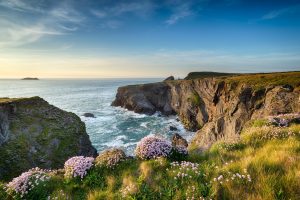
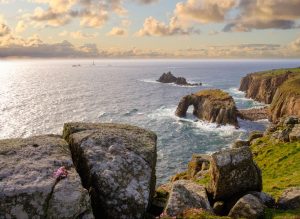
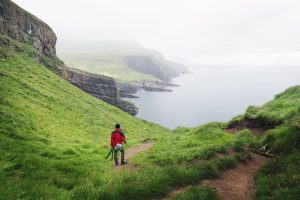
The west coast is often the highlight of Ireland itineraries. The Cliffs of Moher stand as one of the most breathtaking natural landmarks, offering sweeping views of the Atlantic Ocean. Nearby, the Wild Atlantic Way stretches along the coastline, showcasing dramatic scenery at every turn. This region invites slow travel. Each stop reveals something new, from hidden beaches to charming villages. The landscape feels untamed, creating a sense of awe that defines the Irish experience.
The Charm of Southern Ireland
Southern Ireland offers a softer, more relaxed atmosphere. Towns like Cork provide a mix of culture, cuisine, and local charm. The nearby countryside is dotted with castles, gardens, and scenic drives. This region is perfect for those who enjoy a slower pace. It encourages exploration without urgency, allowing travelers to fully absorb their surroundings.
Northern Ireland’s Dramatic Landscapes
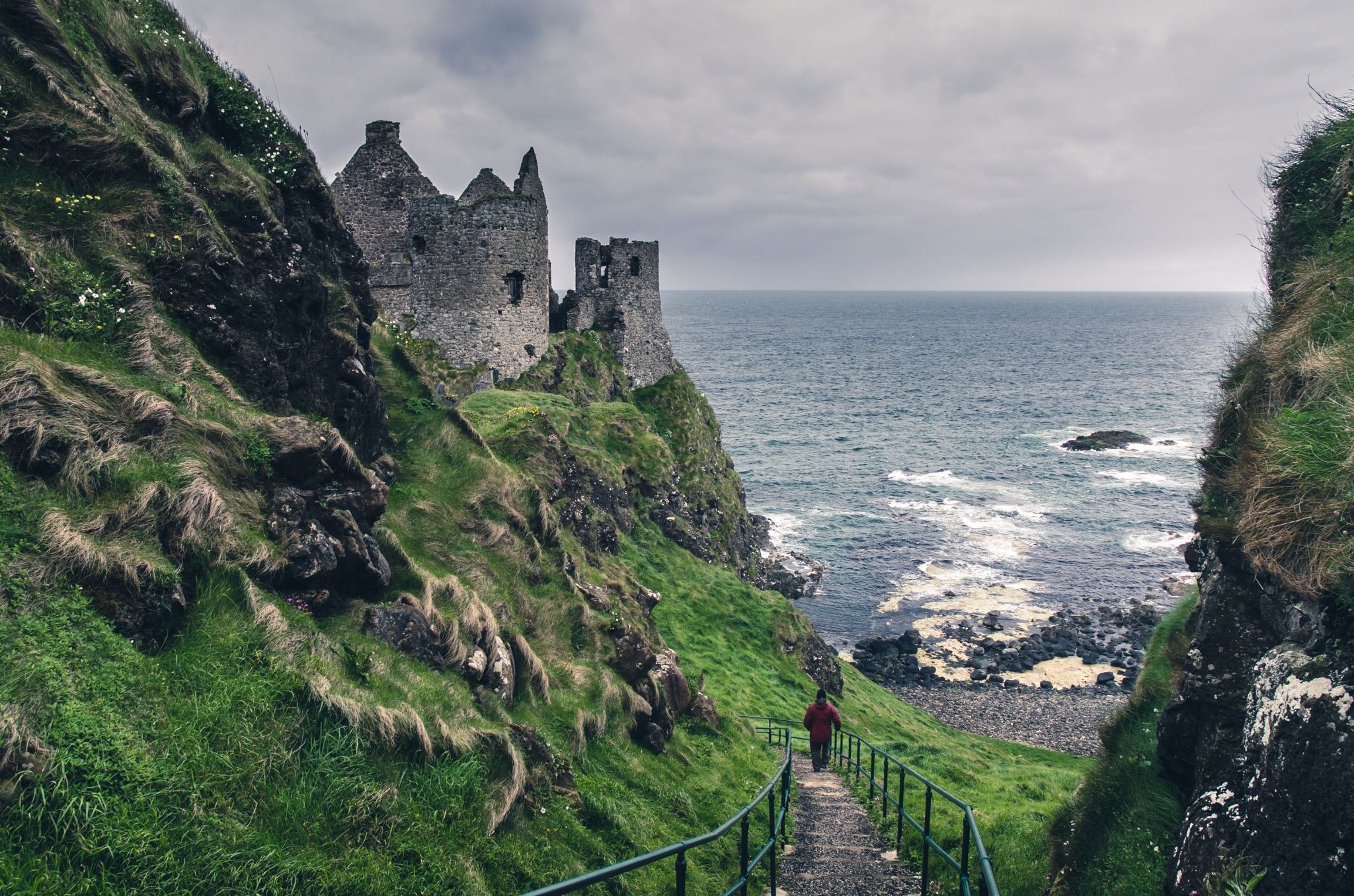
Northern Ireland adds another dimension to the journey. The Giant’s Causeway is a geological wonder that feels almost surreal. Its unique rock formations create a landscape unlike anywhere else. Belfast, on the other hand, offers a rich historical narrative and a vibrant cultural scene. Together, these destinations provide a balanced mix of nature and history.
Crafting Day-by-Day Ireland Itineraries
5-Day Compact Experience
A five-day itinerary focuses on highlights. It typically includes Dublin, a quick journey to the west coast, and a return loop. While fast-paced, it offers a glimpse into Ireland’s diversity.
Day 1–2: Explore Dublin and nearby attractions
Day 3: Travel to the Cliffs of Moher
Day 4: Discover Galway and surrounding areas
Day 5: Return to Dublin
This structure works best for travelers with limited time who still want a meaningful experience.
7–10 Day Balanced Journey
A week to ten days allows for a more relaxed pace. It includes multiple regions and deeper exploration. Travelers can enjoy both major attractions and lesser-known spots.
Days 1–2: Dublin immersion
Days 3–4: Southern Ireland and Cork
Days 5–7: West coast and Wild Atlantic Way
Days 8–10: Northern Ireland and Belfast
This itinerary offers a well-rounded experience without feeling rushed.
14-Day In-Depth Exploration
Two weeks provide the ultimate Ireland itinerary. It allows for a complete loop around the island, including hidden gems and off-the-beaten-path locations.
Extended time in each region
Opportunities for spontaneous detours
Deeper cultural experiences
This approach transforms the trip from a tour into a journey.
Transportation Choices and Their Impact
Transportation plays a crucial role in shaping Ireland itineraries. Renting a car offers the most flexibility, allowing travelers to explore remote areas and scenic routes at their own pace. Public transport is reliable but limited in reaching less accessible destinations. Driving in Ireland requires adjustment, especially for those unfamiliar with left-side driving. However, the freedom it provides often outweighs the challenge. It enables a more personalized and immersive experience.
Timing Your Trip for the Best Experience
Ireland’s weather is famously unpredictable, but each season offers its own charm. Summer brings longer days and vibrant landscapes, making it the most popular time to visit. Spring and autumn provide fewer crowds and softer colors, creating a more მშვიდ and intimate experience. Winter, while quieter, offers a different kind of beauty. Cities feel cozy, and attractions are less crowded. Choosing the right time depends on personal preferences and travel priorities.
Accommodation Strategies for a Smooth Journey
Accommodation choices influence the overall experience. Ireland offers a wide range of options, from boutique hotels to countryside bed-and-breakfasts. Staying in smaller towns often provides a more authentic experience compared to large cities. Booking in advance is essential during peak seasons. However, leaving some flexibility allows for spontaneous changes, which can lead to unexpected discoveries.
Expert Advice for Seamless Travel Planning
Experienced travelers emphasize the importance of pacing. Trying to see everything in one trip often leads to fatigue and missed experiences. Prioritizing quality over quantity ensures a more enjoyable journey. Another key insight is to embrace spontaneity. While planning is essential, leaving room for unplanned stops can lead to the most memorable moments. Ireland’s charm often lies in its unexpected discoveries. Understanding local culture enhances the experience. Engaging with locals, trying traditional food, and participating in cultural activities create deeper connections with the destination.
Avoiding Common Itinerary Mistakes
Many travelers make the mistake of underestimating travel times. Ireland’s scenic routes encourage frequent stops, which can extend journeys significantly. Planning realistic travel distances prevents unnecessary stress. Another common issue is overloading the itinerary. Trying to cover too many destinations reduces the quality of each experience. A well-balanced itinerary allows time to explore and relax. Ignoring weather variations can also impact plans. Being flexible ensures that unexpected changes do not disrupt the overall experience.
Creating a Journey That Feels Personal
Ireland itineraries should reflect individual interests. Some travelers prioritize history, while others focus on nature or culture. Tailoring the itinerary to personal preferences makes the journey more meaningful. Incorporating unique experiences adds depth. This could include visiting lesser-known villages, exploring local markets, or attending cultural events. These moments create lasting memories. The goal is not just to visit Ireland but to experience it fully. A personalized itinerary transforms a trip into a story worth remembering.
FAQs
How many days are ideal for Ireland itineraries?
Seven to ten days are ideal for a balanced experience. This duration allows travelers to explore multiple regions without feeling rushed while still enjoying key attractions and cultural experiences.
Is it better to drive or use public transport in Ireland?
Driving offers more flexibility and access to remote areas, making it the preferred choice for most travelers. Public transport works well for major cities but limits exploration of rural destinations.
What is the best route for first-time visitors?
A loop starting in Dublin, covering the south, west coast, and Northern Ireland, provides a comprehensive introduction. It combines iconic landmarks with diverse landscapes for a well-rounded experience.