
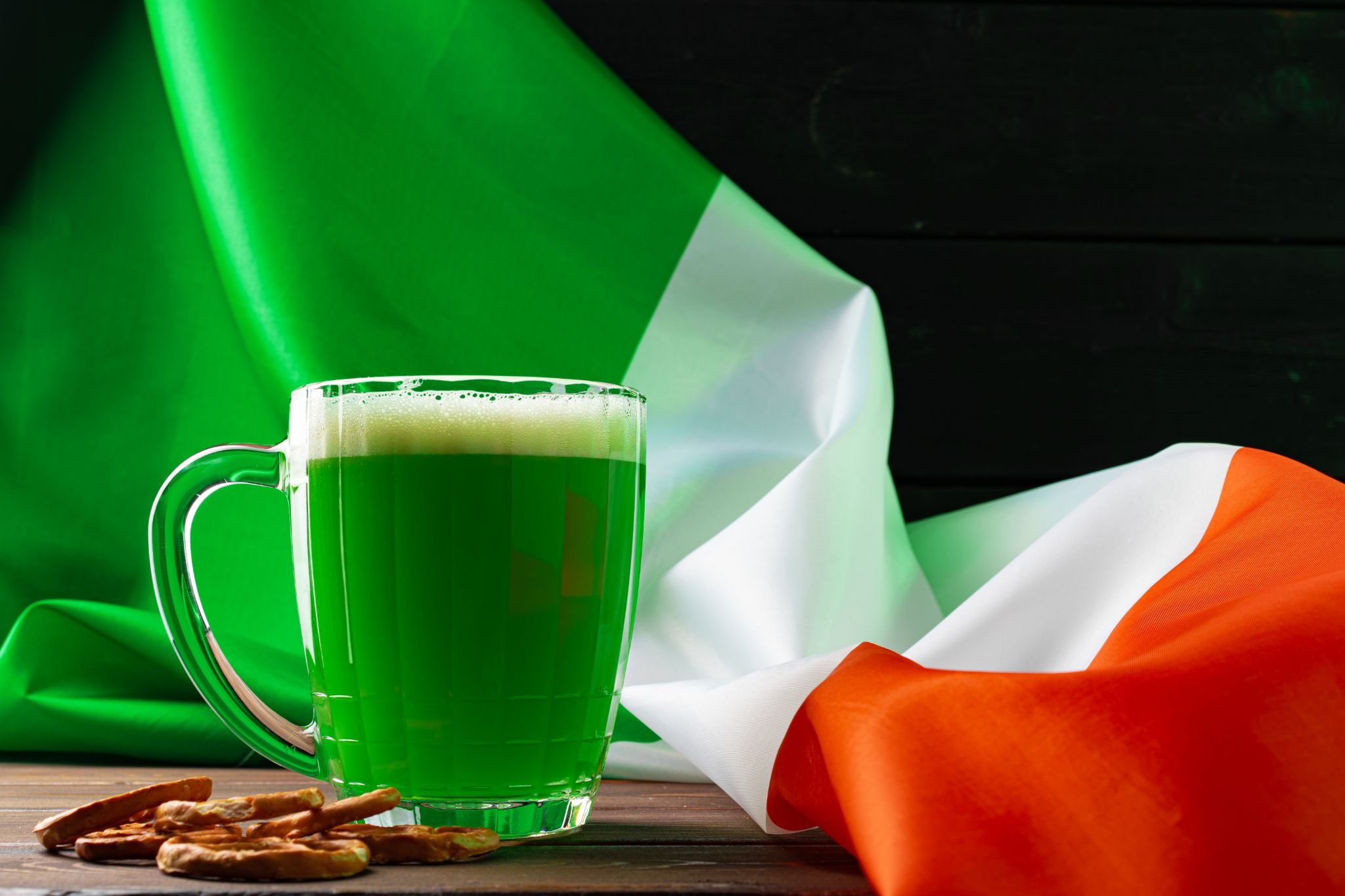
Ireland is known for its rolling green hills, dramatic coastlines, and rich history. But there is another side to the country that often surprises visitors. Its food. Irish cuisine has evolved over time. It blends tradition with modern creativity. It reflects the land, the seasons, and the people. This Irish food guide is not just about what to eat. It is about understanding how food connects to culture, community, and everyday life in Ireland.
The Roots of Irish Cuisine
Irish food is deeply connected to agriculture. The country’s fertile land and cool climate shape its ingredients. Potatoes, dairy, meat, and seafood have long been staples. These simple ingredients are transformed into comforting and flavorful dishes. Over time, Irish cuisine has embraced global influences while preserving its traditional identity. This balance between old and new defines the modern Irish food experience.
Traditional Dishes You Should Not Miss
Irish Stew
Irish stew is one of the most iconic dishes in the country. It is made with lamb or beef, potatoes, carrots, and onions. The slow cooking process creates deep, rich flavors. It is a dish that represents comfort and tradition.
Colcannon
Colcannon is a simple yet delicious combination of mashed potatoes and cabbage or kale. It is creamy, satisfying, and often served with butter.
Boxty
Boxty is a traditional potato pancake. It can be fried, baked, or boiled. It is versatile and often served with meat or fish.
Seafood Delights from the Irish Coast
Ireland’s coastline provides access to fresh seafood. Fish such as salmon, cod, and haddock are widely available. Shellfish like mussels and oysters are also popular. Seafood dishes are often simple, allowing the natural flavors to shine. Dining by the coast offers a unique experience where freshness defines every bite.
Irish Breakfast: A Hearty Start to the Day
Full Irish Breakfast
A full Irish breakfast is a meal in itself. It includes eggs, sausages, bacon, beans, tomatoes, and often black and white pudding. It is filling and flavorful, designed to provide energy for the day ahead. This breakfast reflects the hearty nature of Irish cuisine.
Street Food and Modern Irish Flavors
Irish food is not limited to traditional dishes. Cities like Dublin offer vibrant street food scenes. Food markets feature global influences combined with local ingredients. From gourmet burgers to artisanal sandwiches, modern Irish cuisine is creative and diverse. This evolution shows how Irish food continues to adapt while honoring its roots.
Sweet Treats and Desserts to Enjoy
Irish Soda Bread
Irish soda bread is a staple. It is simple to make and has a distinctive texture. It pairs well with butter, jam, or savory dishes.
Apple Tart
Apple tart is a classic dessert. It is often served warm with cream or custard. It reflects the comforting nature of Irish home cooking.
Drinks That Define Irish Culture
Guinness
Guinness is more than a drink. It is part of Irish identity. Its rich, dark flavor is recognized worldwide.
Irish Whiskey
Irish whiskey is known for its smooth taste. It is enjoyed neat, on the rocks, or in cocktails. Tea also plays an important role in daily life. It is simple but deeply embedded in Irish culture.
Dining Experiences: Pubs, Cafés, and Restaurants
Food in Ireland is closely tied to social life. Pubs are central to this experience. They offer not only drinks but also hearty meals. Cafés provide a relaxed atmosphere for light भोजन and conversation. Restaurants range from traditional to modern, offering diverse culinary experiences. Each setting offers a different perspective on Irish food culture.
Expert Advice: How to Experience Irish Food Like a Local
Experts recommend exploring beyond tourist areas. Local pubs and small restaurants often offer the most authentic experiences. They also suggest trying seasonal dishes. Fresh ingredients enhance flavor and quality. Another key tip is to ask locals for recommendations. They know the best places and hidden gems. Experts emphasize taking time. Irish dining is not rushed. It is about enjoying the moment.
Cultural Significance of Food in Ireland
Food in Ireland is more than nourishment. It is a way of connecting with others. Meals bring people together. They create moments of conversation and shared experience. Traditional recipes carry history and identity. Understanding this cultural context adds depth to the dining experience.
Common Mistakes Tourists Make
Many visitors stick to familiar foods instead of trying local dishes. Another mistake is choosing restaurants based only on location rather than quality. Some also overlook regional specialties. Each part of Ireland offers unique flavors. Avoiding these mistakes helps create a more authentic experience.
The Future of Irish Cuisine
Irish cuisine continues to evolve. Chefs are experimenting with new techniques and global influences. Sustainability is becoming more important, with a focus on local and organic ingredients. This evolution ensures that Irish food remains dynamic and relevant.
Conclusion
Ireland offers more than scenic beauty. It offers a rich and evolving food culture. From traditional dishes to modern creations, every meal tells a story. Exploring Irish cuisine is about more than taste. It is about connection, culture, and experience. With this Irish food guide, you can approach your journey with curiosity and confidence.
FAQs
What is the most famous Irish food?
Irish stew is one of the most famous dishes, known for its simple ingredients and rich flavor.
What should I drink in Ireland?
Guinness and Irish whiskey are iconic choices, but tea is also an important part of daily life.
Is Irish food suitable for all tastes?
Yes, Irish cuisine offers a variety of options, from hearty traditional dishes to modern and international flavors.