
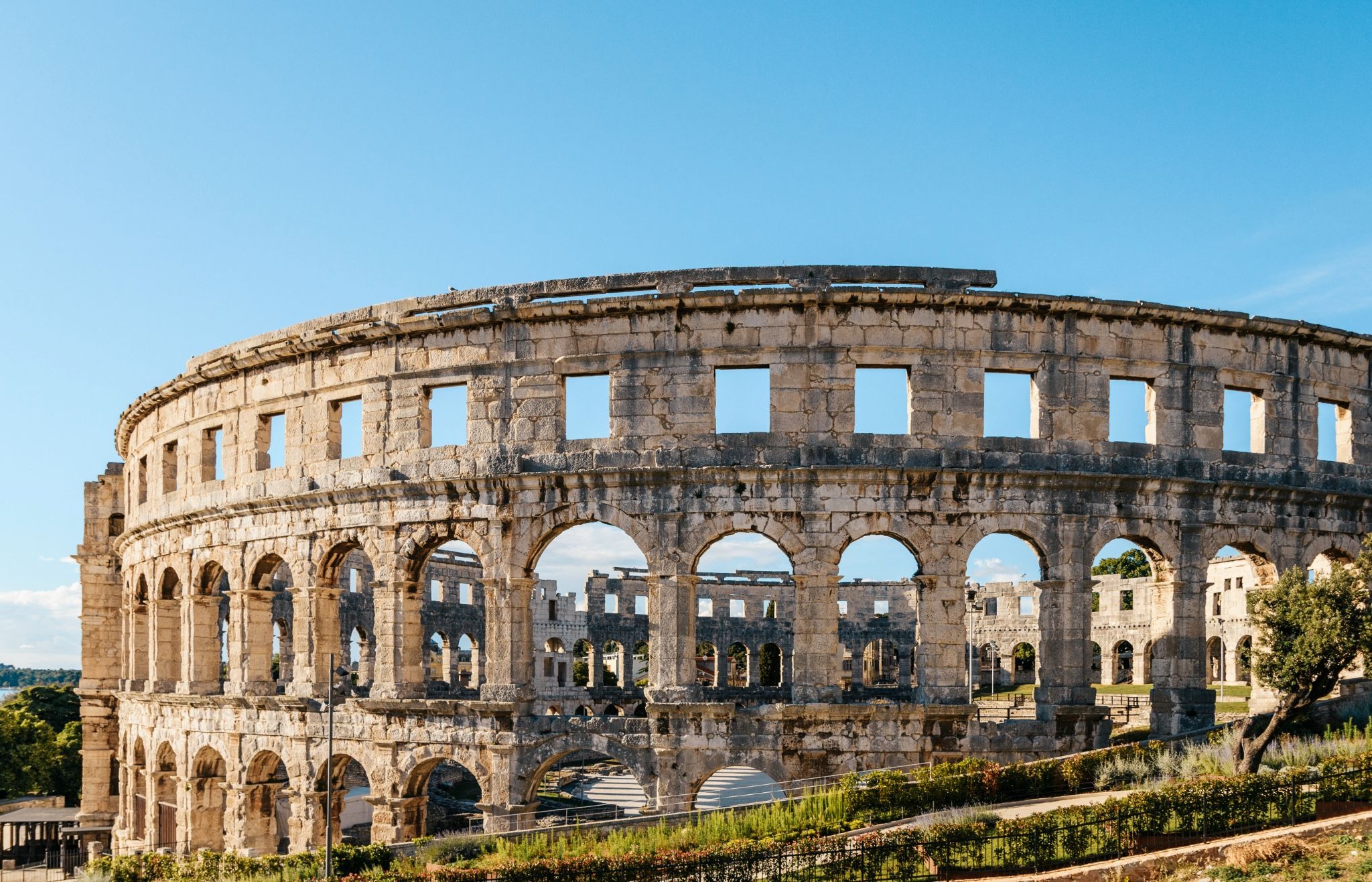
Europe is a tapestry of history, culture, and breathtaking landscapes, and at the heart of this rich heritage lies its UNESCO World Heritage Sites. These incredible locations not only reflect the artistic and architectural achievements of civilizations past but also serve as reminders of the stories that have shaped our world. Visiting these sites is not just about seeing beautiful places; it’s about experiencing the essence of European history and culture. In this blog, we will explore some of the must-see UNESCO sites in Europe, guiding you through their significance and what to expect during your visit.
Top UNESCO Sites in Western Europe
The Eiffel Tower, France
The Eiffel Tower is one of the most iconic structures in the world, symbolizing Paris and its cultural heritage. Completed in 1889 for the World’s Fair, this iron lattice tower stands at a staggering height of 1,083 feet and offers breathtaking views of the city. Its historical significance extends beyond architecture; it represents the hope and innovation of the Industrial Revolution. Visitors can enjoy a meal at one of the tower’s restaurants or simply take in the views from the observation decks. To avoid long lines, consider booking your tickets in advance or visiting during off-peak hours.
The Colosseum, Italy
No visit to Italy is complete without experiencing the grandeur of the Colosseum. This ancient amphitheater, built around 70-80 AD, once hosted gladiatorial contests and public spectacles that captivated audiences. The Colosseum is not only an architectural marvel but also a testament to the ingenuity of the Roman Empire. While exploring the site, take time to appreciate the intricate details of its arches and the stories embedded in its walls. Guided tours can provide deeper insights into its history and the events that took place within its arena, making your visit even more enriching.
Must-See UNESCO Sites in Central and Eastern Europe
The Historic Centre of Prague, Czech Republic
Prague, often referred to as the “City of a Hundred Spires,” boasts a historic center that is a UNESCO World Heritage Site for its remarkable architecture and well-preserved medieval buildings. The stunning Gothic and Baroque structures, including the iconic Charles Bridge and the Old Town Square, transport visitors to a different era. As you stroll through the cobblestone streets, don’t miss the opportunity to visit the Astronomical Clock, which puts on a fascinating show every hour. To immerse yourself in the local culture, try a traditional Czech meal at one of the nearby restaurants.
The Auschwitz-Birkenau Concentration Camp, Poland
The Auschwitz-Birkenau Concentration Camp stands as a somber reminder of the atrocities of World War II and the Holocaust. As a UNESCO World Heritage Site, it plays a critical role in educating visitors about history and the importance of remembrance. Walking through the grounds, the memorials, and the preserved buildings provides a powerful experience that encourages reflection and understanding. It is essential to approach this site with respect and sensitivity. Guided tours are available, offering insights into the camp’s history and its significance in honoring the victims.
Iconic UNESCO Sites in Southern Europe
The Acropolis of Athens, Greece
The Acropolis of Athens is a magnificent symbol of ancient Greek civilization and democracy. Perched atop a rocky outcrop, it features several significant structures, with the Parthenon being the most famous. This ancient temple, dedicated to the goddess Athena, showcases the architectural brilliance of ancient Greece. When visiting the Acropolis, start early in the morning to avoid crowds and heat. As you explore the site, consider hiring a knowledgeable guide who can share fascinating stories about its history and significance, bringing the ruins to life.
The Alhambra, Spain
The Alhambra is a stunning palace and fortress complex in Granada, renowned for its intricate Islamic architecture and beautiful gardens. This UNESCO site reflects the rich history of the Moors in Spain and offers visitors a glimpse into the opulence of its past. As you wander through the Nasrid Palaces and the Generalife Gardens, take your time to appreciate the exquisite tile work and the serene surroundings. To fully enjoy your visit, it’s advisable to book tickets in advance, especially during peak tourist seasons.
Unique UNESCO Sites in Northern Europe
The Viking Ship Museum, Norway
The Viking Ship Museum in Oslo is a treasure trove of Viking history and culture. It houses some of the best-preserved Viking ships ever discovered, dating back to the 9th century. These ships were not just vessels; they were integral to the Viking way of life, used for exploration, trade, and warfare. The museum offers a unique insight into the craftsmanship of the time and the significance of seafaring in Viking society. Engaging exhibits and knowledgeable staff enhance the experience, making it a must-visit for history enthusiasts.
Bryggen Wharf, Norway
Bryggen Wharf in Bergen is a UNESCO World Heritage Site that showcases the historical significance of trade in the Hanseatic League. The colorful wooden buildings that line the wharf are a testament to the city’s rich maritime history. As you explore the narrow alleyways, you’ll find artisan shops, galleries, and museums that highlight the craftsmanship and culture of the region. To fully experience Bryggen, consider taking a guided tour that delves into its history and the stories behind its architecture.
The Role of UNESCO in Heritage Preservation
Understanding the UNESCO World Heritage List
The UNESCO World Heritage List is a prestigious designation that recognizes sites of outstanding cultural or natural significance. To be included, a site must meet specific criteria, such as representing a masterpiece of human creative genius or exhibiting significant ecological processes. The designation not only helps protect these sites but also promotes awareness and appreciation of their value. Furthermore, UNESCO’s efforts often lead to increased tourism, which can provide essential funding for preservation and conservation efforts.
Challenges in Preserving Heritage Sites
While the UNESCO designation brings attention and resources, many heritage sites face significant challenges. Environmental threats, climate change, and mass tourism can jeopardize their integrity. To combat these issues, UNESCO promotes sustainable tourism practices and collaborates with local communities to ensure the preservation of these treasures for future generations. By raising awareness and encouraging responsible tourism, we can all play a role in safeguarding the world’s heritage.
Conclusion
UNESCO sites in Europe are not just destinations; they are gateways to understanding our shared history and cultural heritage. Each site offers a unique story, inviting visitors to explore, learn, and appreciate the beauty of our world. As you plan your travels, consider including these remarkable locations in your itinerary. They promise experiences that will resonate long after your journey ends, enriching your understanding of the diverse tapestry that is Europe.
FAQs
How does UNESCO select sites for the World Heritage List?
UNESCO follows a rigorous selection process that evaluates sites based on ten criteria, including cultural significance, historical importance, and natural beauty. Expert evaluations and recommendations from local authorities are also considered.
What are the best times of year to visit these sites?
The best times to visit UNESCO sites in Europe are typically during the spring (April to June) and fall (September to October) when the weather is mild, and tourist crowds are thinner.
Are there any entry fees for UNESCO sites in Europe?
Many UNESCO sites have entry fees, which can vary depending on the location and the type of experience offered. It’s advisable to check the specific site’s website for details on pricing and any available discounts.
How can visitors contribute to the preservation of these sites?
Visitors can contribute by following guidelines and regulations, supporting local businesses, and participating in educational programs. Additionally, being mindful of their impact and promoting sustainable tourism practices helps protect these treasures for future generations.