
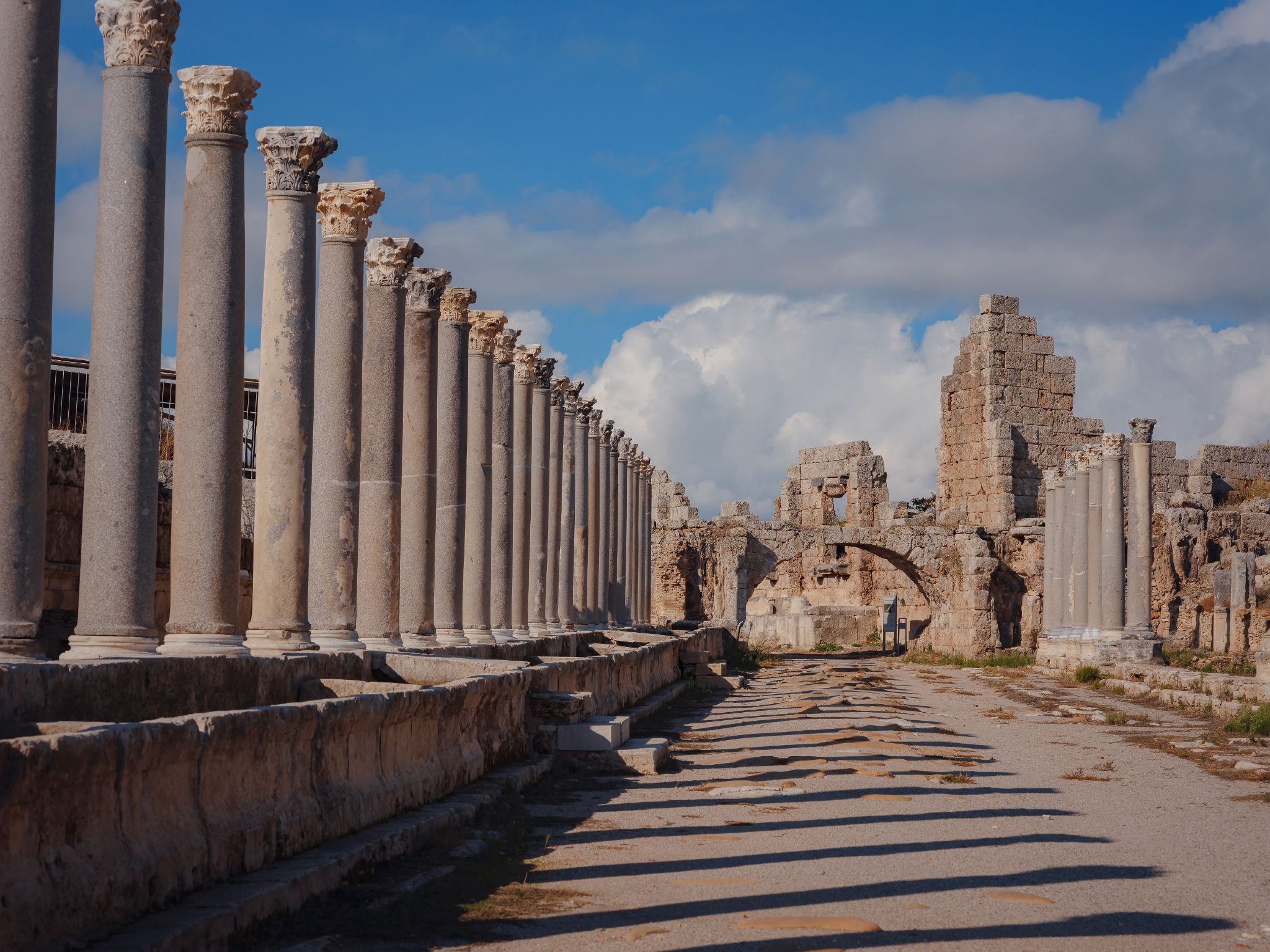
Europe is a treasure trove of history, culture, and natural beauty, and its UNESCO World Heritage Sites stand as testament to this rich heritage. These sites, recognized for their outstanding universal value, attract millions of visitors each year, eager to explore the stories and legacies they embody. From ancient ruins to architectural marvels, the allure of these sites lies not just in their breathtaking beauty but also in their ability to connect us with the past. In this blog post, we will delve into the most visited UNESCO World Heritage Sites in Europe, uncovering their significance and offering insights for your next adventure.
The Importance of UNESCO World Heritage Sites
What Makes a Site UNESCO World Heritage?
UNESCO World Heritage Sites are designated based on specific criteria that highlight their cultural or natural significance. To earn this esteemed status, a site must meet at least one of ten criteria set by the World Heritage Committee, ranging from representing a masterpiece of human creative genius to containing superlative natural phenomena. The designation serves not only to honor these sites but also to promote their preservation for future generations. In a world increasingly impacted by modernization and climate change, the preservation of our cultural and natural heritage has never been more critical.
The Impact of UNESCO Designation
Receiving UNESCO status can dramatically influence tourism and local economies. It often leads to increased visitor numbers, which can provide a significant boost to local businesses and infrastructure. However, this influx also brings responsibilities; site managers must ensure that tourism is sustainable and does not compromise the integrity of the site. As travelers, it is our responsibility to engage with these sites respectfully and to appreciate their value beyond mere aesthetics.
Most Visited UNESCO World Heritage Sites in Europe
The Colosseum, Italy
The Colosseum, an iconic symbol of ancient Rome, is one of the most visited UNESCO World Heritage Sites in Europe. This architectural marvel, which dates back to AD 70-80, once hosted gladiatorial contests and public spectacles, captivating audiences with its grandeur. Today, visitors can explore its vast interior, walk through the ancient corridors, and imagine the roar of the crowd. To enhance your experience, consider booking a guided tour that offers insights into its history and architecture, and be sure to visit during the early morning or late afternoon to avoid the crowds and capture stunning photographs.
The Eiffel Tower, France
No trip to Paris is complete without a visit to the Eiffel Tower. This iconic structure, completed in 1889, is not only a symbol of French ingenuity but also a remarkable feat of engineering. Standing at 1,083 feet, the Eiffel Tower offers unparalleled views of the city. For a unique experience, consider dining at one of its restaurants, where you can enjoy exquisite French cuisine while taking in the breathtaking scenery. The best times to visit are during sunset, when the city lights begin to twinkle, creating a magical atmosphere.
The Acropolis of Athens, Greece
The Acropolis of Athens is a testament to ancient Greek civilization and its enduring legacy. Perched atop a rocky outcrop, this UNESCO World Heritage Site houses several monumental structures, including the Parthenon, a temple dedicated to the goddess Athena. As you wander through this historic site, you’ll gain insights into the architectural brilliance of ancient Greece and its influence on modern society. To make the most of your visit, consider joining a guided tour that delves into the history and mythology of the Acropolis, allowing you to appreciate its cultural significance fully.
The Historic Centre of Florence, Italy
Florence, the birthplace of the Renaissance, is home to a wealth of artistic and architectural treasures. The Historic Centre of Florence is a UNESCO World Heritage Site known for its stunning cathedrals, palaces, and museums. Key attractions include the Florence Cathedral, the Uffizi Gallery, and the Ponte Vecchio. To truly appreciate the city’s rich artistic heritage, take the time to explore its lesser-known gems, such as the Medici Chapels and the Basilica of San Lorenzo. A leisurely stroll through the streets will also reveal charming cafes and artisan shops, offering a taste of Florentine life.
The Tower of London, England
Rich in history and intrigue, the Tower of London is a UNESCO World Heritage Site that has served various roles over the centuries, from royal palace to prison. Today, it is home to the Crown Jewels and offers visitors a glimpse into England’s royal history. Engaging with a Yeoman Warder (Beefeater) during a guided tour will provide you with captivating stories of the tower’s past and its infamous prisoners. To enhance your visit, arrive early to beat the crowds and explore the White Tower before it fills with tourists.
Other Notable UNESCO World Heritage Sites Worth Visiting
The Alhambra, Spain
The Alhambra, a stunning palace and fortress complex in Granada, Spain, is renowned for its Islamic architecture and intricate decorative details. This UNESCO World Heritage Site offers visitors a chance to explore its beautiful gardens, palaces, and historic walls. To fully appreciate its beauty, consider booking a guided tour that focuses on its history and architectural significance. The Alhambra is particularly enchanting at sunset when the warm colors of the setting sun illuminate its stunning structures.
The Palace of Versailles, France
The Palace of Versailles epitomizes the grandeur of French royalty. This UNESCO World Heritage Site features opulent rooms, expansive gardens, and historical significance that draws millions of visitors each year. As you explore the palace, be sure to visit the Hall of Mirrors, where treaties were signed, and the gardens that were designed by the famous landscape architect André Le Nôtre. To avoid the crowds, plan your visit during the week and consider purchasing a timed entry ticket for a more relaxed experience.
The Roman Theatre of Orange, France
The Roman Theatre of Orange is a remarkable example of Roman architecture and is one of the best-preserved ancient theaters in Europe. This UNESCO World Heritage Site features a stunning stage wall and impressive acoustics, making it a venue for various performances. The theater hosts a renowned annual festival, where visitors can enjoy classical performances in an authentic setting. If you visit during the festival, you’ll have the unique opportunity to experience live performances in this historical venue.
Planning Your Visit to UNESCO World Heritage Sites
Best Practices for Visiting
When visiting UNESCO World Heritage Sites, it’s important to respect local cultures and the integrity of the sites. Engage in sustainable travel practices, such as minimizing waste and respecting signage and guidelines. Remember, these sites are not just tourist attractions; they are vital parts of our world’s heritage. By being mindful of your impact, you contribute to their preservation for future generations.
How to Make the Most of Your Experience
To fully immerse yourself in the experience, consider joining guided tours that provide deeper insights into the history and significance of the sites. Engaging with local communities can also enhance your understanding and appreciation of the cultural heritage. Take the time to learn about the stories behind the sites, and don’t hesitate to ask locals for recommendations on lesser-known attractions that can enrich your visit.
Conclusion
UNESCO World Heritage Sites offer an unparalleled opportunity to connect with history, culture, and the beauty of our world. By visiting these iconic locations, you not only enrich your travel experience but also contribute to the preservation of our shared heritage. As you plan your next adventure, consider these remarkable sites as destinations that promise to inspire and educate. Each visit is a chance to embrace the stories of the past and appreciate the diversity of our global culture.
FAQs
What are UNESCO World Heritage Sites?
UNESCO World Heritage Sites are landmarks or areas recognized for their cultural, historical, scientific, or other forms of significance, designated by the United Nations Educational, Scientific and Cultural Organization (UNESCO).
How can I find out more about specific sites before visiting?
You can research specific UNESCO World Heritage Sites through official UNESCO websites, travel guides, and local tourism boards for detailed information about their history, significance, and visiting hours.
Are there any fees associated with visiting these sites?
Many UNESCO World Heritage Sites have entrance fees, which can vary based on the location and the type of experience you choose. Be sure to check their official websites for current pricing and any available discounts.
What is the best time of year to visit popular UNESCO sites in Europe?
The best time to visit popular UNESCO World Heritage Sites in Europe is typically during the shoulder seasons of spring (April to June) and fall (September to October) when the weather is pleasant and crowds are smaller.